Buying real estate along the Chestatee River requires thorough due diligence regarding flood zone designations, private wells, septic systems, and local financing options. Buyers should evaluate FEMA floodplain panels, verify rural utilities, inspect slope and access, and consult with local agents to navigate Lumpkin County’s unique property market successfully.
Purchasing real estate along or near North Georgia’s Chestatee River offers incredible natural rewards, but requires specialized preparation for mountain terrain, rural utilities, and flood mapping.
Flood Zone and Floodplain Due Diligence
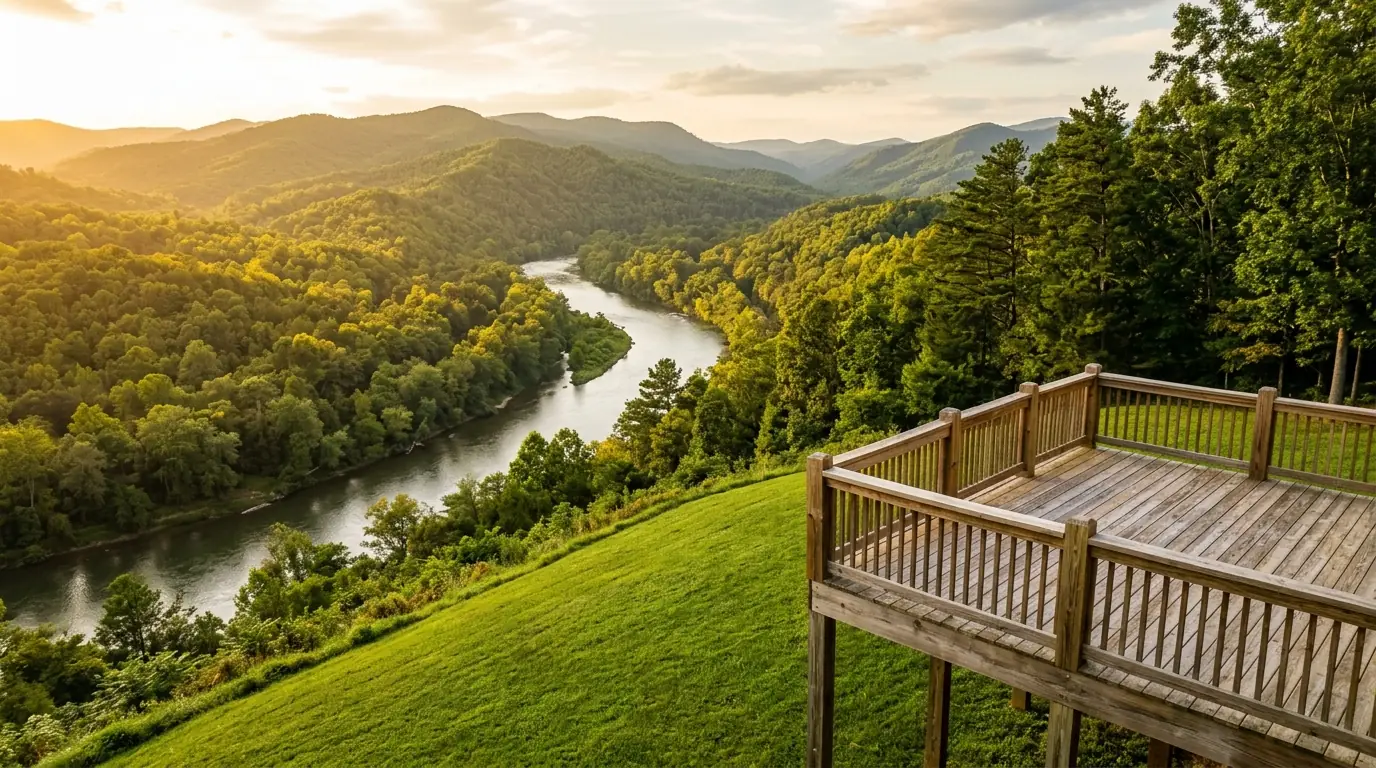
The Chestatee River floods periodically, as all mountain rivers do, and FEMA flood zone maps designate certain areas within the 100-year and 500-year floodplains. Properties in high-risk flood zones (Zone A or AE) carry federally mandated flood insurance requirements if the mortgage is federally backed, and the cost of that insurance can significantly affect a property’s carrying costs.
Before making an offer on any river-adjacent or low-lying property, pull the FEMA Flood Map Service Center panel for the parcel and have a conversation with your insurance agent about coverage costs. Elevation certificates from a licensed surveyor can sometimes document that a structure sits above the base flood elevation even within a mapped flood zone, potentially lowering insurance premiums substantially. For more on this topic, see our Chestatee River flood zones guide .
If a property sits in a mapped flood zone and does not have an elevation certificate, factor the cost of obtaining one from a licensed surveyor into your due diligence budget prior to submitting an offer.
Rural Utilities: Wells, Septic, and Internet
Many properties near the Chestatee River are served by private wells and septic systems rather than municipal water and sewer. North Georgia has good groundwater, and modern septic systems are reliable when properly maintained, but buyers must perform thorough verification. When considering Living on the Chestatee River: What Buyers Need to Know , utility inspections should be prioritized early in the buying process.
- Request a dedicated well inspection report and flow rate test.
- Have the septic system inspected by a professional and have the tank pumped.
- Ask when the septic system was last evaluated and whether a valid perc test is on file for the drain field.
Fiber optic service has reached parts of Lumpkin County, and fixed wireless providers cover most of the county. Ask sellers directly about internet service provider options and actual speeds rather than relying solely on provider coverage maps.
Financing Mountain and Rural Properties
Most improved residential properties near the Chestatee River can be financed through conventional or FHA loans, assuming the home meets lender condition requirements. However, rural and mountain properties sometimes present appraisal challenges if comparable sales are limited or if the property is highly unique.
Raw land requires a separate land loan product with higher down payment requirements and shorter terms than residential mortgages, while qualifying rural home buyers in Lumpkin County may explore USDA Rural Development loans.
If you are evaluating different property types, explore our guide on Riverfront vs. Golf Community: Two Ways to Live on the Chestatee River to understand how community style affects property ownership and financing considerations.
Essential Due Diligence Steps for Buyers
- Step 1 Pull the FEMA Flood Map panel for the parcel and discuss potential insurance requirements with an agent.
- Step 2 Order inspections for private well water flow and septic system drain field suitability.
- Step 3 Confirm verified internet speed and provider availability directly with the current home seller.
- Step 4 Review slope stability, private road maintenance agreements, and mountain access during due diligence.
Navigating the Local Market
The market for Chestatee River real estate has its own pace and customs. Days on market for well-priced properties can be short, particularly for desirable riverfront listings that appeal to out-of-area buyers actively watching North Georgia.
Off-market and pocket listings exist across the region. For insights into exclusive neighborhoods, review our Achasta Golf Community buyer guide . To stay informed on current inventory trends, check Chestatee River Homes for Sale: What the Market Looks Like in 2026 .
Frequently Asked Questions
How long does it take to close on a rural property in North Georgia?
Typical closing timelines run 30-45 days for financed purchases, similar to suburban markets. Rural properties can sometimes take longer if well and septic inspections reveal issues requiring remediation or if appraisal comparable data is limited.
Are there HOA fees on Chestatee River properties?
Some communities like Achasta have HOA fees; many rural properties have no HOA at all. Always confirm HOA status and current dues with the HOA or local agent before submitting an offer, as these affect your monthly carrying costs.
What due diligence is specific to mountain properties?
Beyond standard inspections, mountain properties may require evaluation of slope stability, road access (private road agreements and maintenance costs), well yield and water quality testing, septic suitability, and wildfire risk assessment. A local agent will help you identify which of these apply to any specific property.
How is property tax calculated in Lumpkin County?
Lumpkin County assesses property at a percentage of fair market value, and the millage rate sets the tax. Property taxes in North Georgia mountain counties are generally lower than metro Atlanta rates. Confirm current assessments with the Lumpkin County Tax Assessor’s office as part of your due diligence.
Ready to Find Your Chestatee River Property?
Work with local real estate experts who understand North Georgia mountain and riverfront properties.
Search North Georgia homes with Gold Peach Realtyor call (770) 283-1223
North Georgia Real Estate
Looking for Homes on the Chestatee River?
Gold Peach Realty are the local experts in Dahlonega and Lumpkin County real estate. Search riverfront properties, mountain cabins, and North Georgia homes.