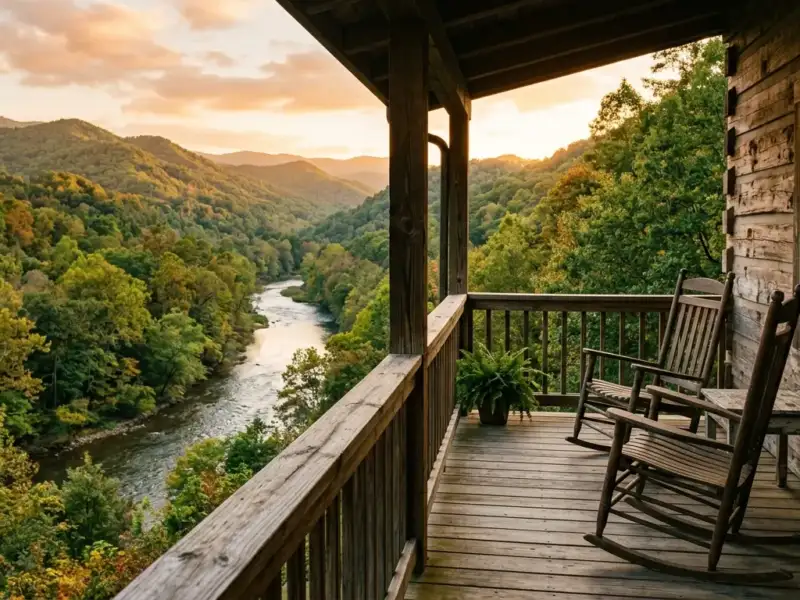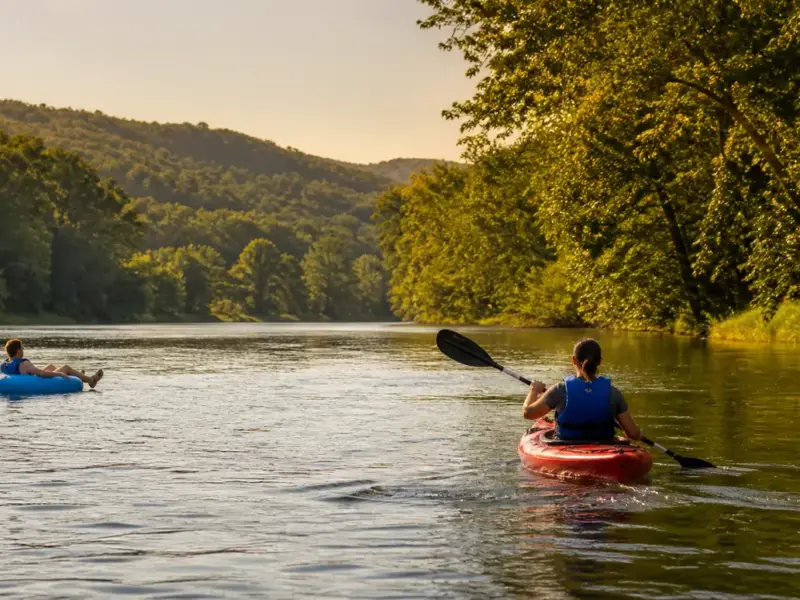
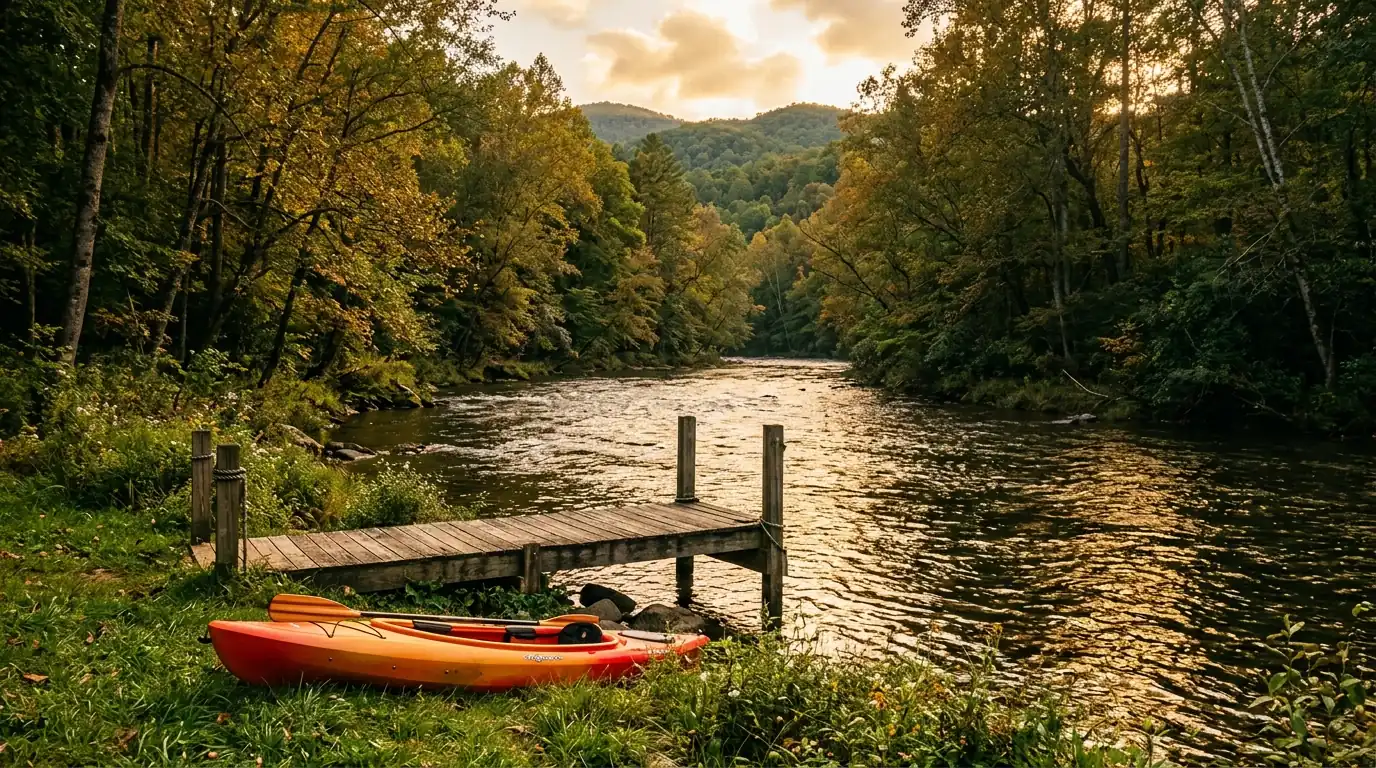
Living on the Chestatee River offers access to North Georgia’s mountain landscape, clear waters, trout fishing, and Dahlonega’s rich historic corridor. Real estate ranges from gated country club homes at Achasta to private wild riverfront parcels. Buyers should consider flood zone designations, elevation certificates, and location along the river’s three distinct geographical zones.
The Chestatee River runs through the heart of North Georgia’s most sought-after real estate corridor, stretching from the Blue Ridge mountains through Dahlonega and south toward Lake Lanier.
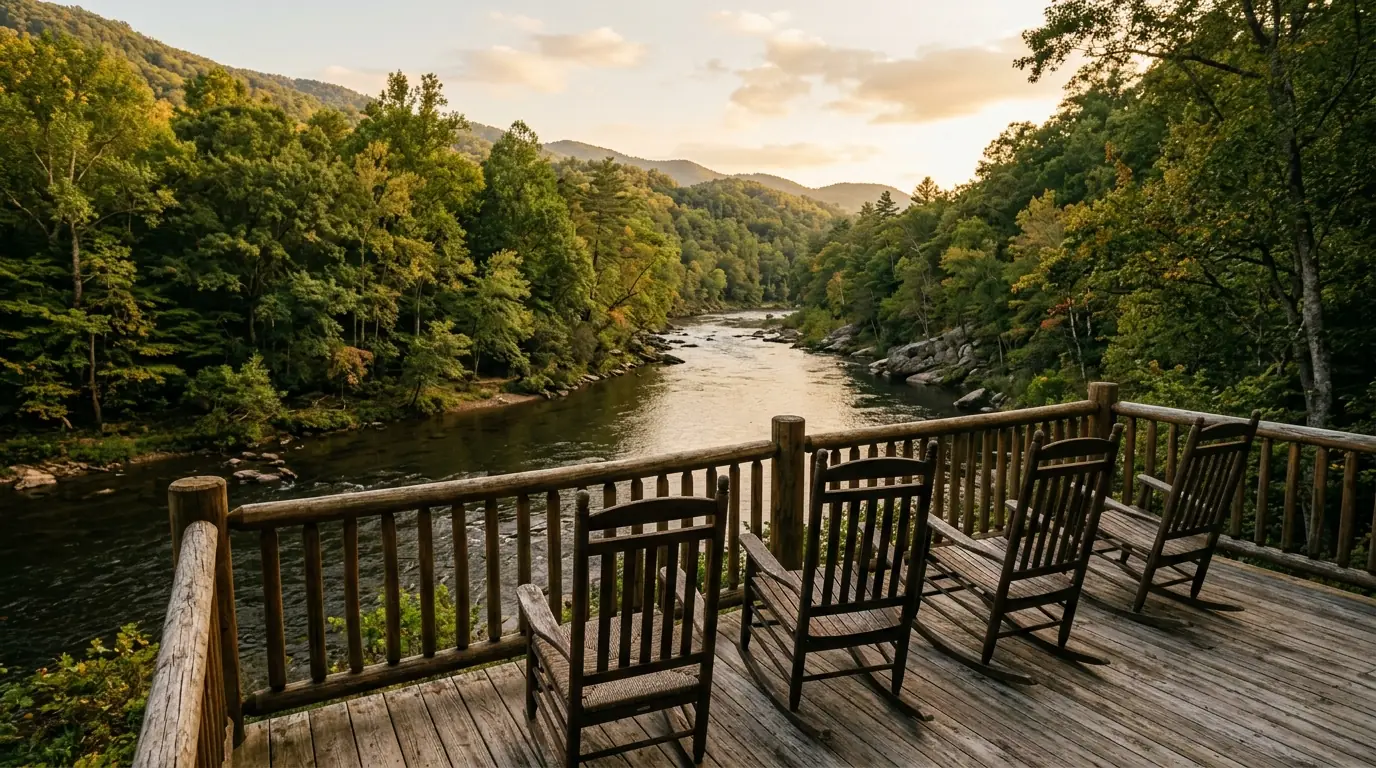
The Three Zones of the Chestatee River Corridor
The Chestatee River runs roughly 65 miles from its headwaters near the continental divide in the Blue Ridge through Lumpkin, Dawson, Hall, and Forsyth counties before merging with the Chattahoochee drainage system near Lake Lanier. Anyone interested in living on the Chestatee River should understand that the corridor divides into three distinct zones:
- Upper Chestatee (Lumpkin County): The mountain section running above and through Dahlonega. This zone features mountain trout streams and exclusive master-planned communities.
- Middle Chestatee (Dawson & Hall Counties): A transition zone into rolling terrain featuring rural residential properties, farmhouses with river frontage, and seasonal cabins.
- Lower Chestatee (Forsyth County): Approaching Lake Lanier, this area attracts buyers seeking riverfront character with proximity to reservoir recreation.
Most buyers looking specifically for mountain riverfront properties explore Chestatee River homes for sale in the upper corridor around Dahlonega.
Achasta and Wild Riverfront Options
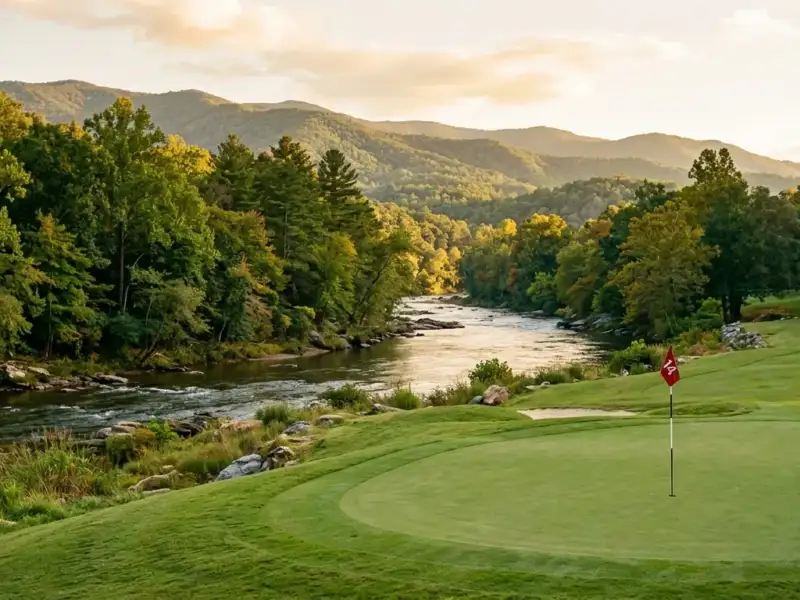
When reviewing property along the upper river, buyers generally weigh riverfront vs. golf community living options. The premier residential community in this corridor is Achasta, centered around a Jack Nicklaus Signature golf course.
Achasta features an 18-hole par-72 golf layout running alongside the river, guarded entry, and full-service dining at the Achasta Grill. For more details, explore our Achasta golf community buyers guide .
Beyond Achasta, wild riverfront properties offer larger acreage without HOA governance. The upper section also provides access to some of the best fly fishing spots on the Chestatee River where mountain water supports native trout populations.
Choosing between Achasta and wild riverfront depends on whether you seek structured community amenities and golf or private acreage along moving water.
| Feature | Achasta Community | Wild Riverfront |
|---|---|---|
| Environment | Gated, golf-focused community | Unrestricted land, private setting |
| Amenities | 18-hole par-72 course, Achasta Grill | Direct river access, no clubhouse |
| Structure | HOA guidelines & infrastructure | No HOA, independent maintenance |
| Location | Upper corridor near Dahlonega | Upper and middle river corridor |
Navigating Chestatee River Flood Zones and Buyer Due Diligence
Because the Chestatee is a mountain river fed by rainfall and snowmelt, water levels can rise rapidly. Understanding FEMA flood maps and regulations is critical for any riverfront buyer.
Properties in Zone AE require flood insurance when using federally backed mortgages. Buyers should request a current Elevation Certificate to confirm that the structure’s finished floor elevation sits safely above the Base Flood Elevation before making an offer. See our Chestatee River flood zones buyers guide for complete details.
Working with an experienced real estate team ensures all essential due diligence items—such as flood zone review, Elevation Certificates, HOA guidelines, and river-access easements—are handled thoroughly.
Frequently Asked Questions
Is the Chestatee River good for fishing?
Yes — the upper Chestatee River in Lumpkin County supports native trout populations and is a genuine fly fishing destination in North Georgia. The river’s cooler mountain water temperatures and rocky substrate create good habitat. The lower river transitions to warm-water species as it descends into the piedmont.
How does Achasta compare to buying wild riverfront on the Chestatee?
Achasta offers community infrastructure, a Jack Nicklaus golf course, a gated environment, and the Achasta Grill — at higher price points and with HOA requirements. Wild riverfront outside Achasta offers more land, less structure, typically lower prices, and no amenity infrastructure. The right choice depends on whether you want community or solitude.
Does the Chestatee River flood?
Yes. The Chestatee is a mountain river that can rise rapidly during heavy rainfall. FEMA Zone AE (100-year floodplain) runs along the corridor. Any buyer considering riverfront property should request a current Elevation Certificate, understand their flood insurance requirement, and confirm the structure’s finished floor elevation relative to the Base Flood Elevation before making an offer.
Where is Gold Peach Realty in relation to the Chestatee River?
Gold Peach Realty is located at 3400 S Chestatee in Dahlonega — directly across from the Achasta community entrance gate. It is the closest licensed real estate brokerage to the Chestatee River corridor and specializes in both Achasta community properties and riverfront land along the upper Chestatee.
Ready to Find Your Chestatee River Property?
Connect with Gold Peach Realty to explore available homes and riverfront land across Dahlonega and North Georgia.
Search North Georgia homes with Gold Peach Realtyor call (770) 283-1223
North Georgia Real Estate
Looking for Homes on the Chestatee River?
Gold Peach Realty are the local experts in Dahlonega and Lumpkin County real estate. Search riverfront properties, mountain cabins, and North Georgia homes.