The Chestatee River watershed was the site of America’s first major gold rush in 1829, predating California’s rush by two decades. Originally Cherokee territory, the river valley experienced massive boomtown settlement, leading to the creation of the Dahlonega Mint in 1838 and forever shaping northern Georgia’s heritage and real estate landscape.
The Chestatee River carries rich historical weight as Cherokee ancestral land and the historic site of America’s first gold rush in 1828.
The Cherokee Nation and the Chestatee River Valley
Long before European settlement, the Chestatee River was Cherokee land. The Cherokee Nation occupied much of what is now northern Georgia, and the river valley was crisscrossed with trade paths, hunting grounds, and village sites. The name Chestatee is believed to derive from a Cherokee word, and the river features prominently in the historical record of Cherokee territory in Georgia.
The Cherokee maintained a complex society here—farming, trading, operating a written language developed by Sequoyah, and attempting to coexist with an expanding American nation under an increasingly impossible set of treaty conditions. Discover more about the area’s rich past through Chestatee River history .
The discovery of gold on and near the Chestatee River made peaceful coexistence unsustainable. Georgia state government and federal pressure ultimately resulted in the forced removal of the Cherokee in 1838–1839 along the Trail of Tears, clearing the way for gold rush settlement.
America’s First Gold Rush in 1828
Gold was discovered in the Dahlonega area in 1828 within the Chestatee River watershed, making this the site of the first major gold rush in United States history—more than two decades before the California Gold Rush of 1849. The discovery triggered an immediate influx of prospectors, merchants, and settlers into Lumpkin County. Sources differ on whether to date the rush to 1828 or 1829; when the Dahlonega gold rush started sets out the evidence.
By 1838, gold production in Lumpkin County was abundant enough that the federal government established the Dahlonega Mint to process regional gold directly into U.S. coins. It operated until the outbreak of the Civil War in 1861.
At its peak, hundreds of mines pulled gold from creek beds, riverbanks, and underground vein deposits. You can read detailed background on this era in our guide to the Dahlonega Gold Rush — America First Gold Rush on the Chestatee River and additional context on Dahlonega gold rush history .
| Historical Era | Key Timeline | Impact on Chestatee Valley |
|---|---|---|
| Cherokee Settlement | Pre-1828 | Established trade paths, agriculture, and village sites across the valley. |
| First U.S. Gold Rush | 1828 | Triggered a rapid influx of prospectors, merchants, and mining operations. |
| Dahlonega Mint Operations | 1838–1861 | Processed regional gold into official U.S. coins until the Civil War. |
| Modern Heritage & Living | Present Day | Protected by Forest Service conservation; supports vibrant heritage tourism. |
Mining Legacy, Environmental Recovery, and Today’s River Life
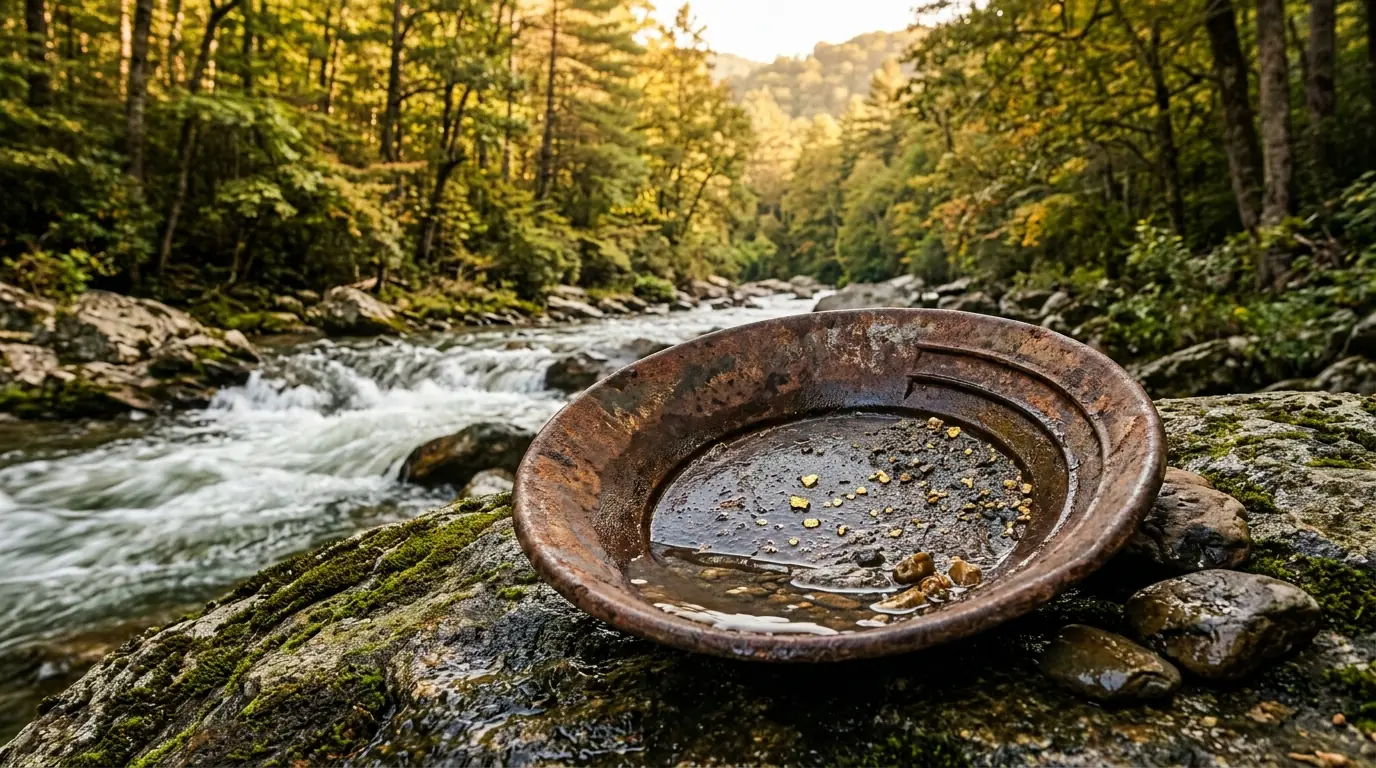
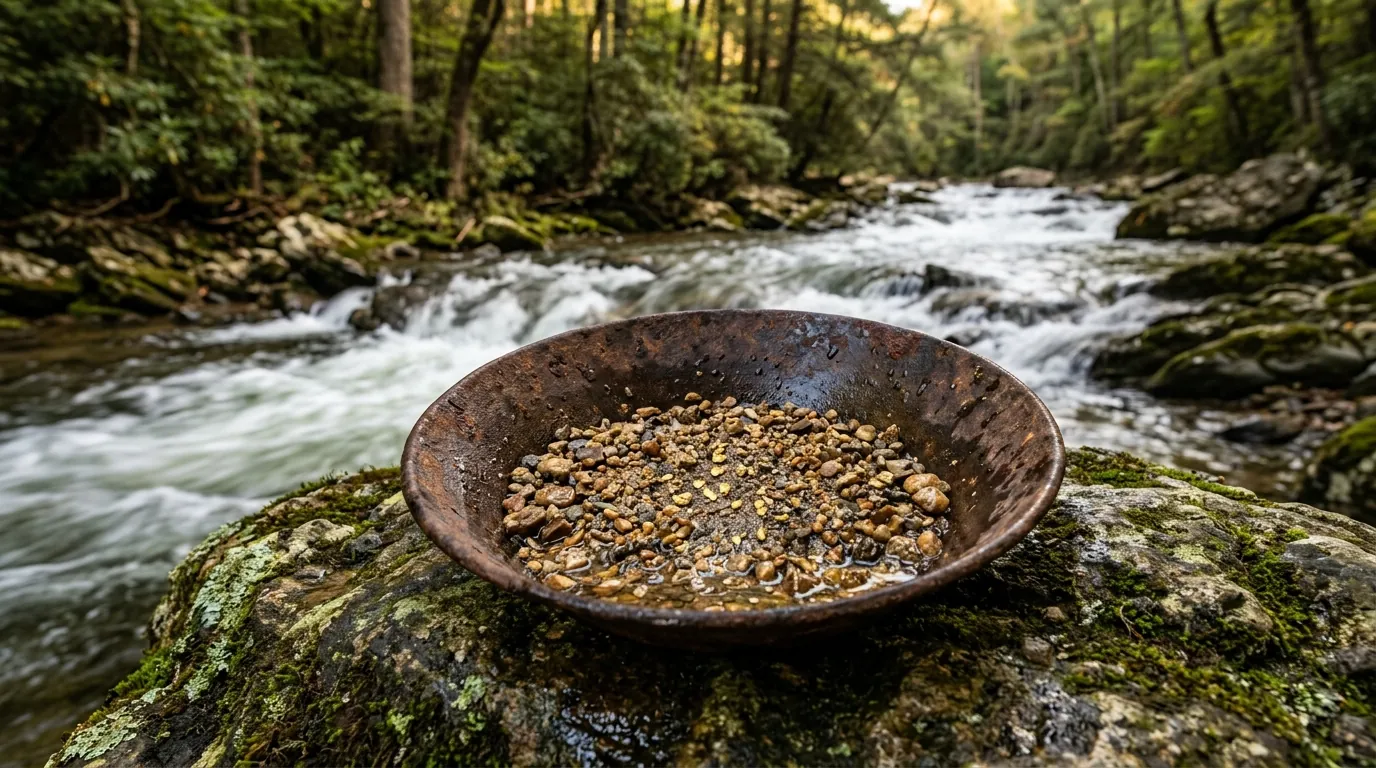
The gold rush left a permanent imprint on the Chestatee Valley landscape. Old mine shafts, tailings piles, and historic mill sites remain scattered through the hills above the river. Attractions like the Consolidated Gold Mine preserve an underground mine where visitors can experience 19th-century hard rock mining, while recreational gold panning remains popular along the river.
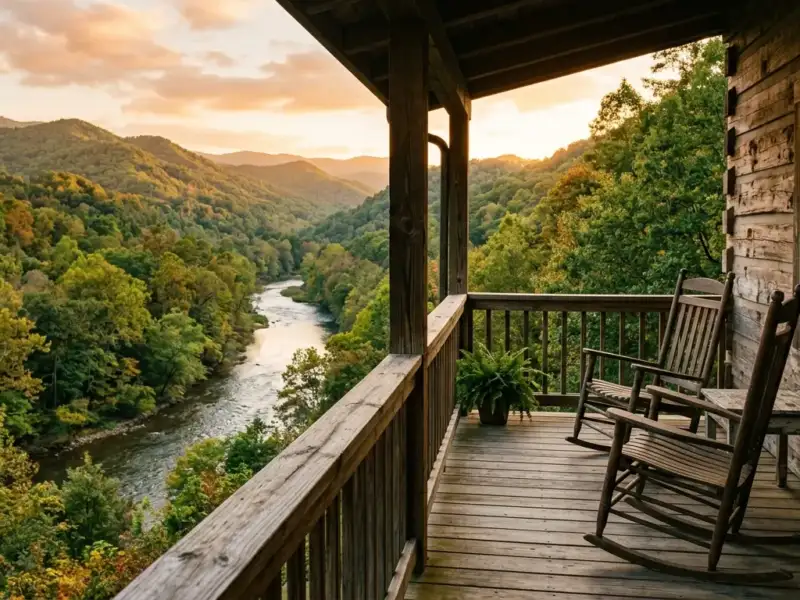
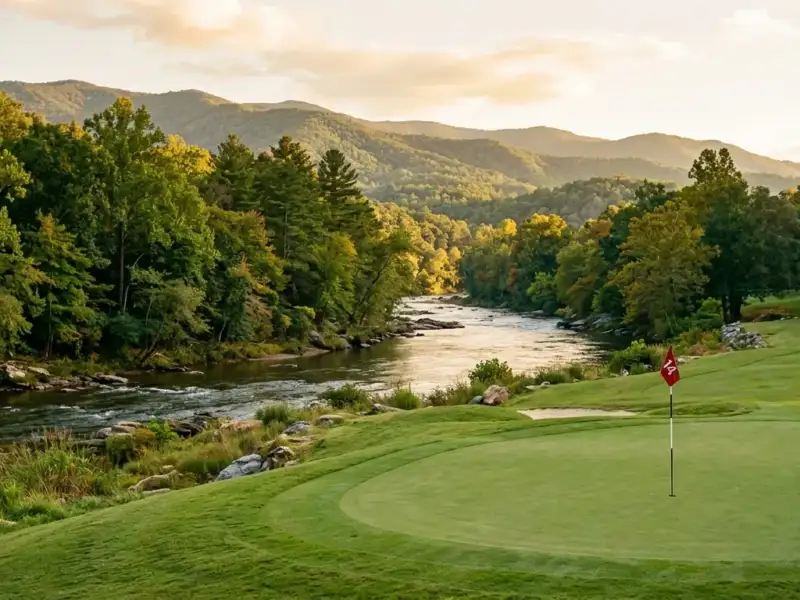
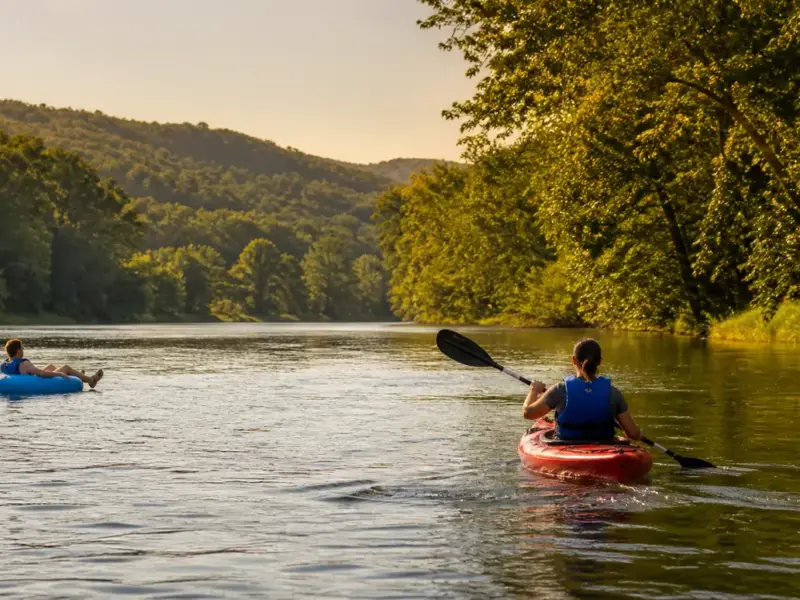
Conservation efforts and the protection of large tracts by the US Forest Service have helped restore the river’s ecological health. Today, buyers considering living on the Chestatee River find a scenic, clear waterway rich in both nature and history. Area residents enjoy local amenities and outdoor activities highlighted in our guide on what to do on the Chestatee River .
Dahlonega has built a sustainable heritage tourism industry around its gold rush legacy, anchored by the Dahlonega Gold Museum in the original 1836 courthouse and annual events like Gold Rush Days, supporting local businesses and property values year-round.
If you are exploring real estate opportunities near this historic corridor, review current listings for Chestatee River homes for sale .
Frequently Asked Questions
Was the Dahlonega Gold Rush really America’s first?
Yes. Gold was documented in the Dahlonega/Chestatee area in 1828, making it the first significant gold rush in U.S. history. The California Gold Rush of 1849 was far larger in scale, but Dahlonega’s discovery came first.
Can I visit the Dahlonega Gold Museum?
Yes. The Dahlonega Gold Museum is on the town square and is operated by Georgia State Parks. It features gold coins, artifacts, and exhibits on Cherokee history, the gold rush, and the Dahlonega Mint.
Is there still gold in the Chestatee River?
Yes, in small quantities. Gold in flake and fine particle form is still found in the Chestatee and its tributaries by recreational panners. Large-scale commercially viable deposits are no longer accessible, but the recreational and historical experience of finding trace gold remains very real.
What happened to the Cherokee who lived along the Chestatee River?
The Cherokee Nation was forcibly removed from Georgia, Tennessee, Alabama, and North Carolina in 1838-1839 under the Indian Removal Act, in what became known as the Trail of Tears. Thousands died during the forced march to Oklahoma. This chapter is a significant and sobering part of the Chestatee River’s history.
Ready to find your dream home near the Chestatee River?
Contact the North Georgia real estate experts at Gold Peach Realty today.
Search North Georgia homes with Gold Peach Realtyor call (770) 283-1223
North Georgia Real Estate
Looking for Homes on the Chestatee River?
Gold Peach Realty are the local experts in Dahlonega and Lumpkin County real estate. Search riverfront properties, mountain cabins, and North Georgia homes.