Investing in property near the Chestatee River combines short-term tourism demand driven by Dahlonega visitors with long-term rental demand from University of North Georgia students and local workers. Limited riverfront supply in Lumpkin County supports strong land value preservation, though investors must carefully navigate local county regulations, HOA rules, and realistic occupancy modeling before purchasing.
The Chestatee River area has attracted significant investor interest as North Georgia’s mountain communities grow in population, tourism, and rental demand.
Short-Term Rental Potential in Dahlonega
Whether your investment thesis relies on short-term rental income from the Dahlonega visitor market, long-term rental demand from local workers, or simple land appreciation in a supply-constrained corridor, the numbers are worth examining carefully.
Dahlonega draws visitors year-round — fall foliage tourists in October and November, gold rush history travelers in summer, wine country visitors exploring the Dahlonega Plateau AVA, and outdoor recreation seekers throughout the seasons.
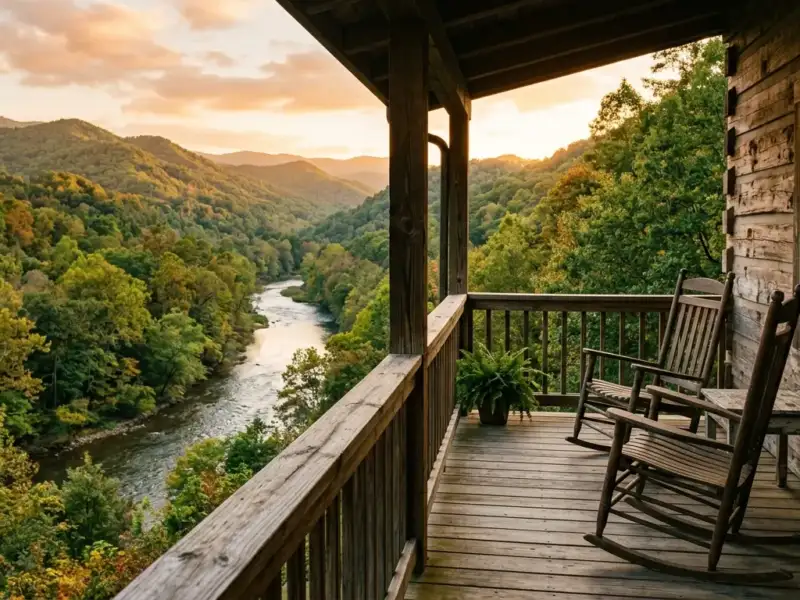
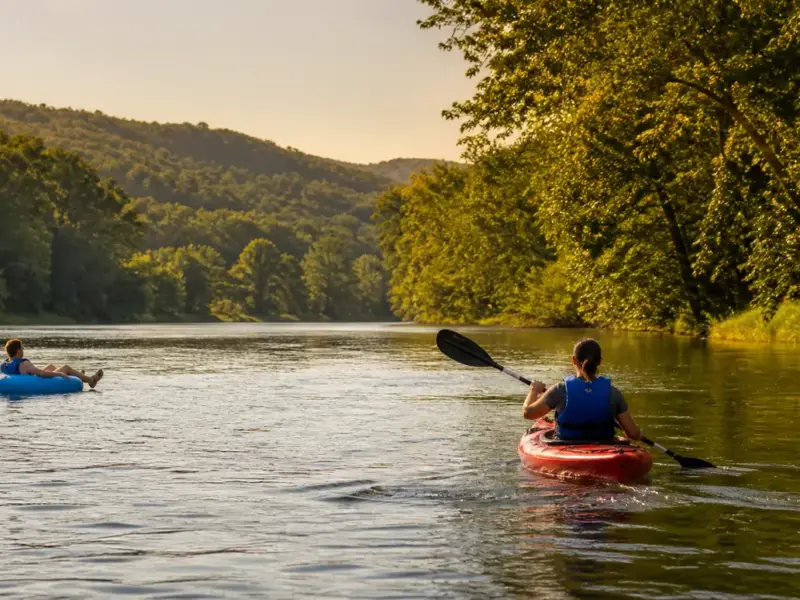
This diverse visitor base supports a robust short-term rental market. Cabins, cottages, and mountain homes listed on vacation rental platforms achieve strong weekend and peak-season occupancy. Properties near the river command a premium when they offer meaningful outdoor access, such as river frontage, hiking trail proximity, or community amenities. Those evaluating Chestatee River homes for sale should analyze comparable active listings using specialized tools to understand actual occupancy rates before purchasing.
Long-Term Rental Demand and UNG Dynamics
The University of North Georgia’s Dahlonega campus enrolls several thousand students, creating underlying long-term rental demand in and around town. Local workforce housing demand is also supported by healthcare workers, county employees, hospitality staff, and tradespeople serving the North Georgia market.
Single-family homes and smaller multi-family properties within Dahlonega have historically seen low vacancy rates in long-term rental configurations. Rental performance typically varies by property location and type:
- In-town properties near the UNG campus and town square achieve the strongest rental performance and tenant depth.
- Rural properties face higher commute distances and utility complexities, making them harder to manage as long-term rentals.
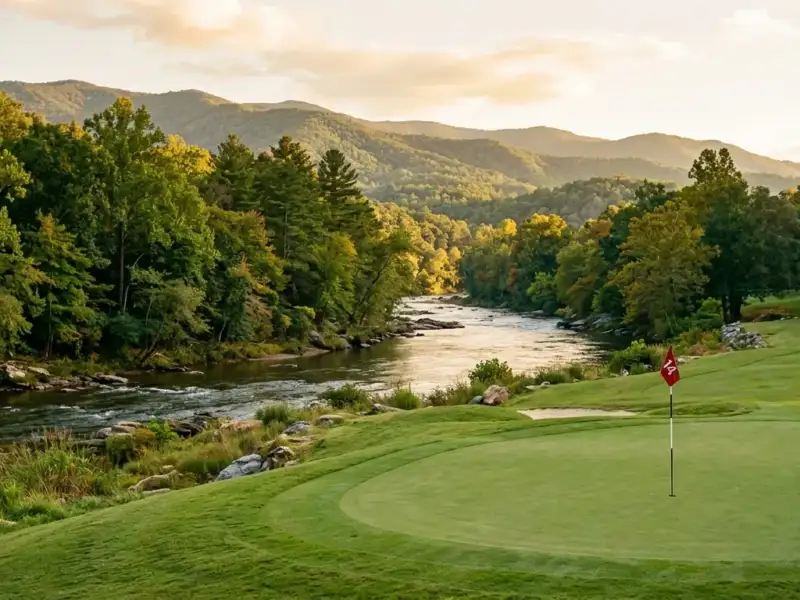
- Properties comparing riverfront vs. golf community positions may offer differing tenant appeal based on proximity to downtown services.
Investors entering the short-term rental market should always maintain a long-term rental exit strategy in case regulatory updates or platform changes affect short-term rental economics.
Land Appreciation and Riverfront Supply Constraints
Riverfront and river-adjacent land in North Georgia has appreciated meaningfully over the past decade as the Atlanta metro exurban ring has extended northward and remote work has reduced the penalty of rural living. Those exploring living on the Chestatee River often find that true riverfront land is genuinely limited.
Much of the river’s length runs through protected national forest, and private riverfront parcels that come to market are quickly absorbed by buyer demand. This structural supply constraint has historically supported land values even during broader real estate downturns. Buyers who purchased Chestatee-area land and improved properties in the 2012–2016 period following the prior market correction have generally seen strong appreciation. Reviewing Chestatee River waterfront homes in North Georgia provides context on available inventory.
| Investment Strategy | Primary Demand Drivers | Key Location Considerations | Risk Mitigation |
|---|---|---|---|
| Short-Term Rental | Tourism, wineries, seasonal events | Proximity to river access & Dahlonega square | Maintain LTR fallback strategy |
| Long-Term Rental | UNG students, healthcare, local workforce | In-town Dahlonega & short commute corridors | Focus on low-maintenance structures |
| Land / Appreciation | Exurban migration, remote work permanence | Unprotected private riverfront acreage | Verify zoning & utility access early |
Navigating Lumpkin County Investment Regulations
Lumpkin County has developed its approach to short-term rental regulation as the market has grown. Anyone interested in the best spots to live near the Chestatee River in Lumpkin County must conduct thorough regulatory due diligence before buying.
Never assume short-term rentals are allowed without explicit written confirmation. Verify current county ordinances, incorporated municipal rules, HOA covenants, and consult a local real estate attorney before closing.
For example, managed subdivisions like the Achasta golf community maintain specific rental policies and minimum stay requirements that differ from unincorporated county rules.
Frequently Asked Questions
What is the average occupancy rate for Airbnb properties near Dahlonega?
Occupancy rates vary considerably by property type, pricing, amenity offering, and management quality. Research active comparable listings using market analytics platforms for the most accurate picture. Lakefront and riverfront properties with strong amenity access tend to perform best.
Are short-term rentals allowed near the Chestatee River?
STR permissibility depends on location, zoning, and HOA rules. Unincorporated Lumpkin County STR rules should be verified with the county directly. Communities like Achasta have their own rental policies. Never assume STR is allowed without explicit confirmation.
Is there demand for long-term rentals in Dahlonega?
Yes, driven primarily by UNG students and the local workforce. Single-family homes and smaller multi-family properties in Dahlonega have historically maintained good occupancy and rental rates for long-term tenants.
What are realistic cap rates for Chestatee River investment properties?
Cap rates vary widely depending on property type, purchase price, and net operating income. Consult a local agent and a financial advisor familiar with North Georgia investment properties for realistic modeling based on current market conditions.
Find Your Chestatee River Investment Property
Work with North Georgia real estate experts who understand local rental demand and land values.
Search North Georgia homes with Gold Peach Realtyor call (770) 283-1223
For a wider view of parcels beyond the river corridor, current Georgia land for sale listings show how mountain acreage compares to farmland and river tracts on a per-acre basis.
North Georgia Real Estate
Looking for Homes on the Chestatee River?
Gold Peach Realty are the local experts in Dahlonega and Lumpkin County real estate. Search riverfront properties, mountain cabins, and North Georgia homes.