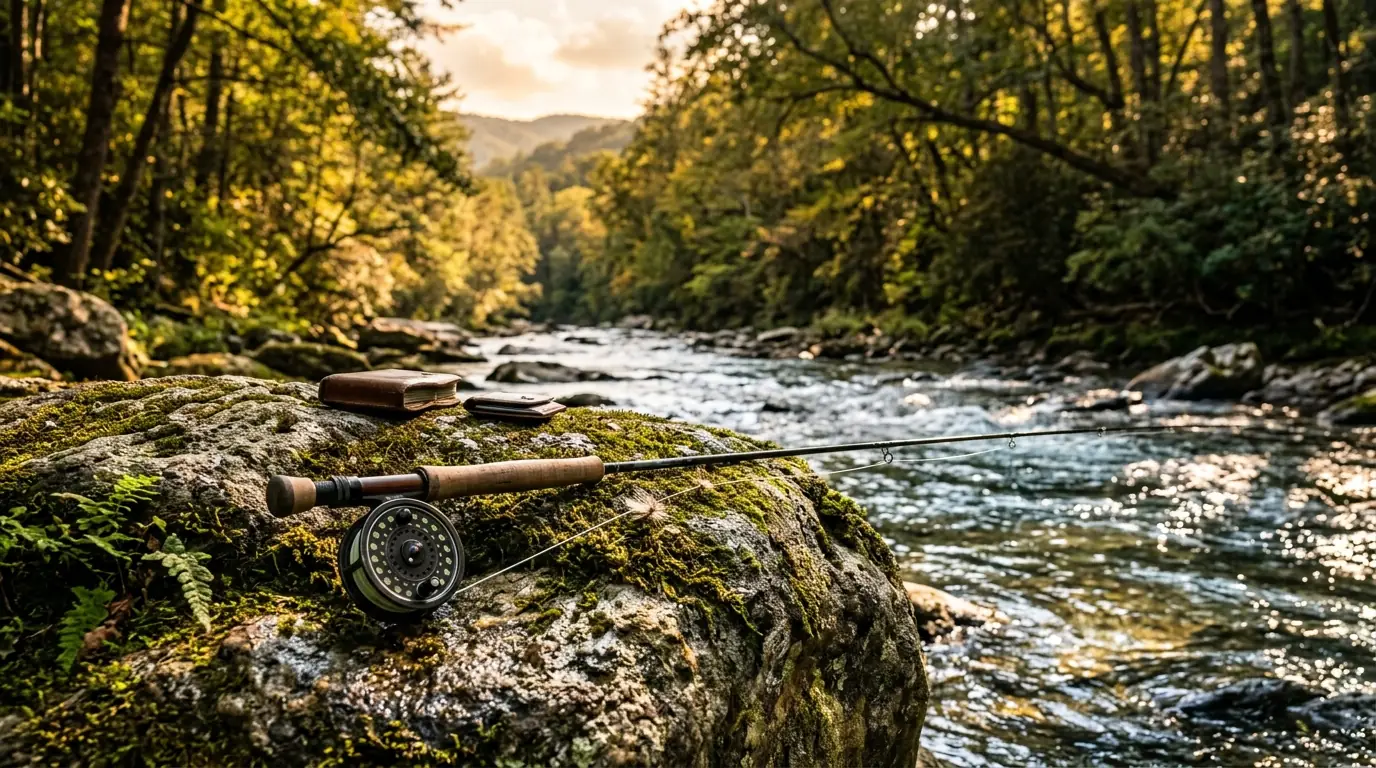
The seven best fly fishing spots on the Chestatee River are the Hwy 60 Corridor, Yahoola Confluence, Nimblewill Fork, Wimpy Mill Road Delayed Harvest stretch, roadside pools below Dahlonega, headwater undercut banks, and the wide bends for evening hatches. These stretches provide diverse options for all skill levels across 32.76 miles of mountain river water.
Running 32.76 miles through the North Georgia mountains, the Chestatee River offers diverse fly fishing opportunities ranging from wild rainbow trout in cold headwaters to easily accessible stocked stretches.
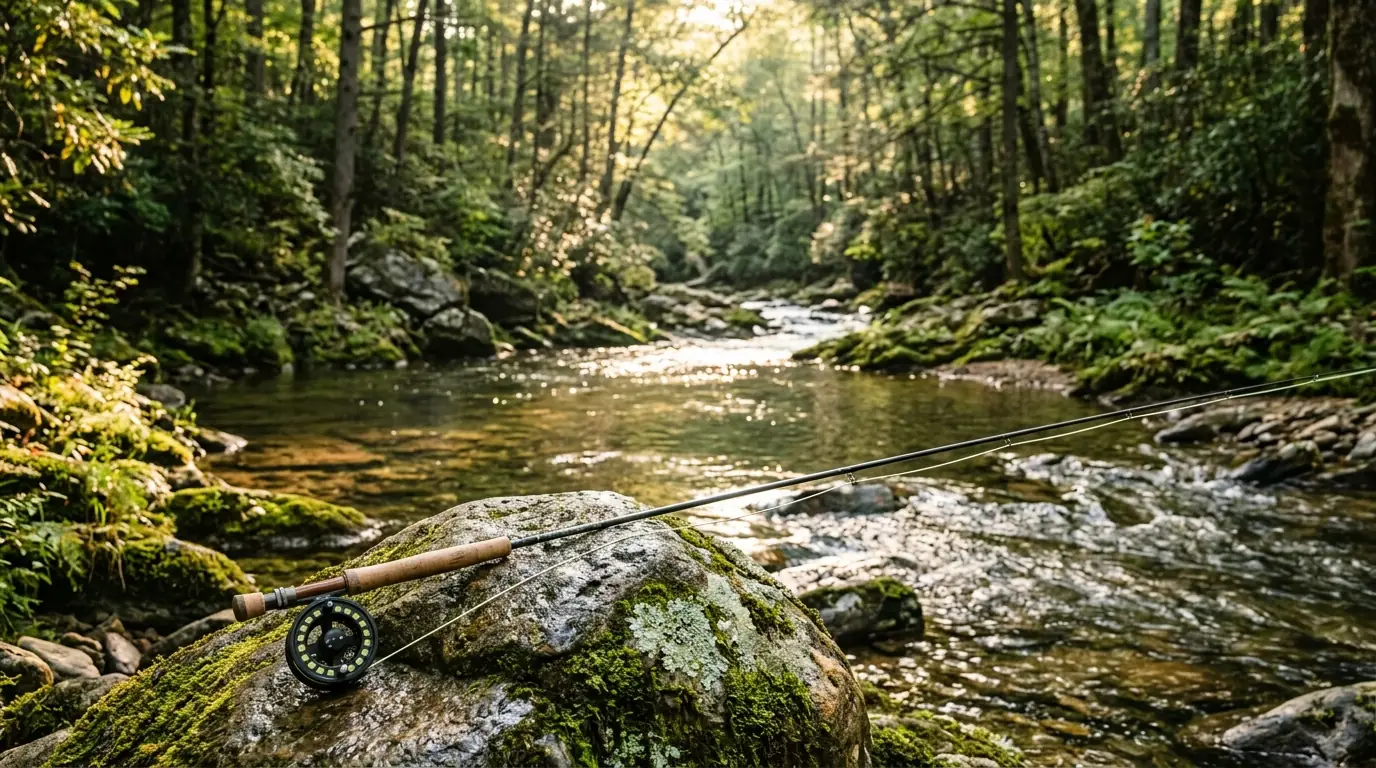
Top Upper River & Backcountry Fly Fishing Spots
Not every mile of the Chestatee River fishes the same. Some stretches hold wild rainbow trout in cold, stained mountain water, while others require a bushwhack through rhododendron to reach pools that most anglers never see. For an overview of river patterns, consult our comprehensive fly fishing guide and the broader Chestatee River fishing guide .
1. The Hwy 60 Corridor (Upper Wild Trout Zone)
Accessible from pull-offs along GA-60 north of Dahlonega, this section is the primary starting point for fly fishers on the Chestatee. Featuring multiple access points, well-defined pools, and wild rainbow trout, the river here is narrow and technical. The summer canopy is tight, making roll casting and sidearm presentation critical. Fish hold in the shadow of undercut banks and below deeper pools at the tail of each run. Look for bends closest to the road where pools below drop-offs hold fish. Recommended flies include Hare’s Ear Nymphs (size 14), Elk Hair Caddis (size 16), and Parachute Adams (size 16–18).
2. The Yahoola Confluence
Where Yahoola Creek meets the Chestatee, cold and clean water flows in to maintain mainstem temperatures during late summer heat. The river widens into a large flat with a deep outside bend, making it an excellent dry fly pool in the evening where anglers can observe rising fish. Access requires a short hike from the road. Before wading into key spots, anglers should learn how to read Chestatee River conditions before you go . Effective patterns include Parachute BWO (size 16–18), Elk Hair Caddis (size 16), and Woolly Buggers for streamer fishing.
3. The Nimblewill Fork
Nimblewill Creek is a Chestatee tributary offering backcountry small-stream fishing approximately 90 miles north of Atlanta. Wild rainbow and occasional brook trout typically range from 6 to 10 inches in size. This pocket water fishing features short drifts and midstream boulders where a 3-weight rod with 7.5 feet of leader works best, rarely requiring casts over 20 feet. Access is via Nimblewill Church Road followed by an upstream hike.
Brook trout located in the highest headwaters of Nimblewill Fork are under special protection as native heritage fish. Handle them with extreme care, keep them in the water, and release them promptly.
Accessible & Stocked Chestatee River Fishing Stretches
Beginners should start at the Wimpy Mill Road Delayed Harvest section or roadside pools below Dahlonega for easy wading and higher catch rates. Experienced anglers seeking wild trout should target upper stretches like the Hwy 60 Corridor, Nimblewill Fork, or the high headwater undercut banks.
4. The Delayed Harvest Stretch (Wimpy Mill Road Area)
Located in a transitional zone, this area features stocked rainbow trout measuring 10 to 14 inches or larger alongside wild holdovers. The delayed harvest section offers easy wading public access and high catch rates during fall and winter.
Stocked in October by Georgia DNR, this section is managed under artificial-lures-only, catch-and-release rules through May 15. After May 15, standard trout fishing regulations apply throughout the summer.
5. The Roadside Pools Below Dahlonega
South of Dahlonega, the Chestatee widens into the lower trout management zone. Georgia DNR stocks this section several times per season with rainbow and brown trout. Featuring very easy roadside access, it is a convenient option for families. Strike indicator rigs with an egg pattern or Copper John dead-drifted through deeper slots prove effective here.
Technical Stretches, Dry Fly Pools & Stream Tactics
6. The Undercut Banks Above the Headwaters
The highest fishable reaches of the Chestatee mainstem above main road access require serious bushwhacking and stealthy wading. Decades of water flow have created undercut banks that conceal spooky, educated wild rainbow and brook trout. Anglers should use a leader tippet of 6X minimum, approach from downstream, avoid skylining themselves, and make precise first casts.
7. The Evening Rise at the Wide Bends
Several wide, flat bends along the Chestatee slow the river flow, causing fish to stack up during late spring and early fall hatches. Anglers can target rising fish with Blue-Winged Olives in the fall and Caddis patterns in late spring. Checking with local fly shops is recommended to confirm current hatch locations and water flow.
| Spot Name | Target Species | Best Season | Wading Difficulty |
|---|---|---|---|
| Hwy 60 Corridor | Wild rainbow trout | October–November, March–April | Moderate |
| Yahoola Confluence | Wild rainbow, brown trout | Late summer through fall | Easy |
| Nimblewill Fork | Wild rainbow, brook trout | Spring and fall | Strenuous |
| Delayed Harvest (Wimpy Mill Rd) | Rainbow and brown trout | October through May 15 | Easy |
| Roadside Pools Below Dahlonega | Stocked rainbow & brown trout | Year-round | Very easy |
| Upper Headwater Undercut Banks | Wild rainbow, brook trout | March–June, October–November | Expert |
| Wide Bends (Evening Rise) | Wild rainbow, brown trout | May–June, September–October | Moderate |
Ethical Angling & Riverfront Living on the Chestatee
Maintaining the wild trout fishery of the Chestatee River relies on careful stewardship. These fish have inhabited the river since the Dahlonega Gold Rush history on the Chestatee River began. Anglers fishing wild trout sections should adhere to standard ethical practices:
- Always use barbless hooks or crimp hook barbs.
- Wet your hands before handling any fish.
- Keep fish submerged in the water as much as possible.
- Use forceps to remove hooks quickly.
- Never harvest wild fish from catch-and-release sections.
For those interested in spending more time on the water, exploring what riverfront life on the Chestatee River is like provides insight into local North Georgia real estate opportunities near prime fishing stretches. You can also discover local attractions with our guide on things to do on the Chestatee River .
Frequently Asked Questions
What fly patterns work best on the Chestatee River?
Effective flies include Hare’s Ear Nymphs (size 14), Elk Hair Caddis (size 16), Parachute Adams (size 16–18), Parachute BWOs (size 16–18), Woolly Buggers, and strike indicator rigs with Copper Johns or egg patterns.
Where is the best spot on the Chestatee River for beginner fly fishers?
The Wimpy Mill Road Delayed Harvest stretch and roadside pools below Dahlonega offer easy public wading access, higher catch rates, and regularly stocked rainbow and brown trout.
What tackle is recommended for backcountry fishing on Nimblewill Fork?
A 3-weight rod paired with 7.5 feet of leader is recommended for Nimblewill Fork, where narrow canopy and pocket water keep casts under 20 feet.
Own Riverfront Property Near the Chestatee
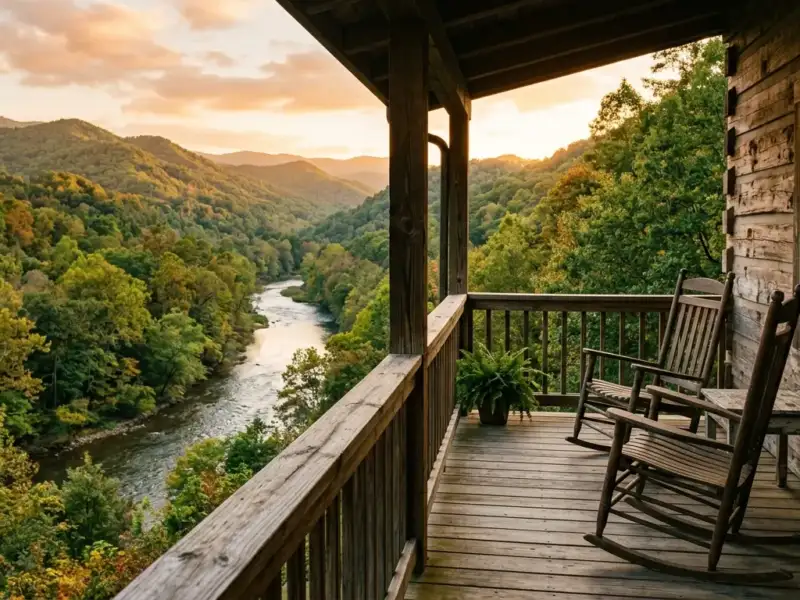
If fishing your own stretch of river every morning sounds like your ideal life, riverfront properties on the Chestatee do come available.
Search North Georgia homes with Gold Peach Realtyor call (770) 283-1223
North Georgia Real Estate
Looking for Homes on the Chestatee River?
Gold Peach Realty are the local experts in Dahlonega and Lumpkin County real estate. Search riverfront properties, mountain cabins, and North Georgia homes.